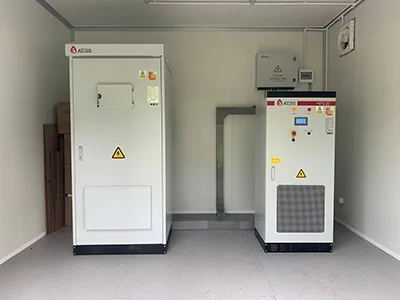
LIQUID COOLING IN DATA CENTERS: REVOLUTIONIZING THERMAL MANAGEMENT
LIQUID COOLING IN DATA CENTERS: REVOLUTIONIZING THERMAL MANAGEMENT
1. Introduction
As data centers continue to grow in size and processing power, efficient cooling solutions have become essential to maintaining optimal performance. Traditional air-cooling methods are increasingly inefficient for high-density computing environments, leading to higher energy consumption and operational costs. Liquid cooling has emerged as a revolutionary solution, offering improved heat dissipation, energy savings, and sustainability benefits for modern data centers.
2. Why Liquid Cooling for Data Centers?
Liquid cooling is gaining traction in data centers due to:
- Higher Heat Dissipation Efficiency: Liquid conducts heat much better than air, allowing for effective thermal management in high-density racks.
- Energy Savings: Reduces the need for extensive air conditioning, cutting electricity consumption significantly.
- Scalability: Supports increasing workloads in AI, cloud computing, and high-performance computing (HPC).
- Environmental Sustainability: Lowers the carbon footprint by improving energy efficiency and reducing water usage compared to traditional cooling towers.
3. Types of Liquid Cooling Used in Data Centers
a) Direct-to-Chip Liquid Cooling
- A liquid coolant circulates through cold plates attached directly to processors (CPU/GPU), efficiently extracting heat.
- Eliminates the need for traditional heat sinks and fans, reducing energy costs.
b) Immersion Cooling
- IT components (servers, storage, networking equipment) are fully submerged in a non-conductive dielectric fluid.
- Enables near-silent operation, removes heat more effectively, and extends hardware lifespan.
c) Rear-Door Heat Exchangers
- A liquid-cooled heat exchanger panel is installed at the back of a server rack to absorb and remove heat before it enters the data center environment.
- Works as a hybrid between air and liquid cooling.
4. Benefits of Implementing Liquid Cooling in Data Centers
a) Improved Energy Efficiency
- Reduces Power Usage Effectiveness (PUE), leading to lower operating costs.
- Decreases reliance on traditional HVAC systems and air-cooling infrastructure.
b) Increased Server Density
- Allows for high-performance computing (HPC) and AI workloads without overheating constraints.
- Supports compact, high-density server architectures.
c) Enhanced Hardware Longevity & Reliability
- Maintains stable operating temperatures, reducing wear and tear on critical IT infrastructure.
- Lowers maintenance costs by preventing overheating-related failures.
d) Sustainability & Carbon Footprint Reduction
- Decreases energy and water consumption, contributing to greener IT infrastructure.
- Helps companies meet environmental regulations and sustainability goals.
5. Case Studies: Liquid Cooling Adoption in Leading Data Centers
- Google & Microsoft: Utilizing liquid cooling to support AI and cloud services, improving thermal management and energy efficiency.
- Equinix & Digital Realty: Investing in immersion cooling to enhance performance while reducing cooling-related expenses.
- High-Performance Computing (HPC) Centers: Leading research institutions and financial firms are integrating liquid cooling to power advanced simulations and data analysis.
6. Challenges & Considerations for Liquid Cooling Implementation
- Initial Investment Costs: Liquid cooling infrastructure requires upfront capital for specialized equipment and installation.
- Compatibility with Existing Systems: Retrofitting traditional air-cooled data centers may be complex.
- Maintenance & Monitoring: Requires specialized monitoring tools to detect leaks and optimize coolant performance.
7. The Future of Liquid Cooling in Data Centers
As AI, edge computing, and quantum computing demand higher processing power, liquid cooling is set to become the industry standard. Advancements in two-phase cooling, sustainable coolants, and modular solutions will further drive adoption, ensuring data centers remain efficient, scalable, and environmentally friendly.
8. Conclusion
Liquid cooling is transforming the way data centers handle high-density computing and sustainability challenges. By adopting liquid cooling technologies, businesses can enhance efficiency, reduce costs, and support a greener future. As the industry moves toward energy-conscious computing, liquid cooling will play a crucial role in shaping the next generation of data center infrastructure.